Hiking Boots vs Trail Shoes: How to Choose Your Perfect Outdoor Footwear
Okay, here is an SEO-optimized article focusing on "Hiking Shoes", written in English, meeting all your requirements:
Choosing the right footwear can transform your hiking experience. Whether tackling rocky summits or meandering forest paths, your feet are your foundation. Understanding the difference between hiking shoes and hiking boots, and finding the perfect fit, is crucial for comfort and safety on the trail.
Why Specialized Hiking Footwear Matters
Ordinary sneakers lack the features needed for rugged terrain. High-quality hiking shoes deliver essential grip, support, and protection. The sole purpose is to enhance stability on uneven ground, protect feet from sharp rocks and roots, and prevent fatigue during long treks.
Unpacking Your Options: Boots or Shoes?
- Hiking Boots (Mid to High Cuts): Offer maximum ankle support and protection, ideal for heavy loads, technical terrain, or uneven surfaces where ankle roll risk is high. Perfect for long-distance thru-hikes or winter conditions needing insulation and waterproof membranes like Gore-Tex. Hiking boots excel in demanding environments.
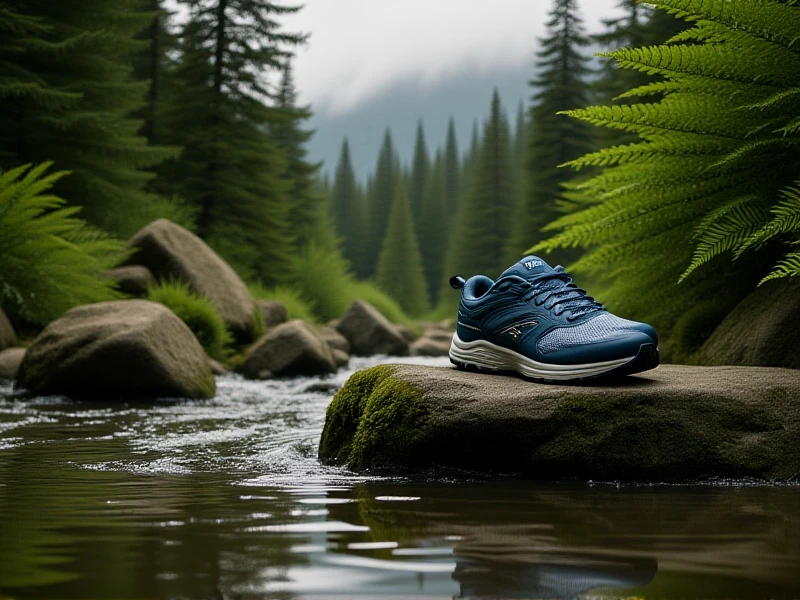
- Trail Runners & Low-Cut Hiking Shoes: Prioritize lightweight agility and faster drying. Perfect for day hikes, well-maintained trails, and experienced hikers who value speed over maximum ankle support. Modern low-cut hiking shoes often incorporate excellent tread and protective toe caps, bridging the gap between sneakers and boots.
Key Features Every Great Hiking Shoe Needs
- Grip is Paramount: Look for aggressive, multi-directional rubber lugs designed to bite into various surfaces (mud, rock, loose gravel). Vibram soles are a popular benchmark.
- Support Structures: Midsole material (like EVA or PU) provides cushioning and shock absorption, protecting joints. A firm shank (rod in the midsole) adds torsional stiffness for stability on uneven ground, a vital feature in hiking shoes.
- Protection You Can Feel: Robust rubber toe caps shield against stubs, while thick, rock-protection plates embedded in the midsole prevent bruising from sharp rocks beneath your feet.
- Water Management: Decide between waterproof/breathable membranes (e.g., Gore-Tex) for wet/cold conditions or non-waterproof, fast-drying mesh uppers (which drain water and dry quicker) for warmer, drier climates or stream crossings.
- The Perfect Fit: This is non-negotiable. Hiking shoes must fit snugly but not tightly, with ample room to wiggle toes (especially important descents). Your feet will swell during long hikes. Visit a specialist outdoor retailer to get fitted, ideally in the afternoon when feet are largest. Wear the hiking socks you intend to use.
Ready for Your Next Adventure?
Don't compromise on foot comfort and safety for your outdoor excursions. Whether you choose the rugged support of a traditional hiking boot or the nimble agility of a modern trail shoe, selecting footwear designed specifically for hiking ensures you can conquer more miles comfortably. Invest in the right pair, break them in properly, and step confidently onto any trail. Focus on your adventure, not sore feet.