Hiking Shoes: Your Ultimate Trail Companion
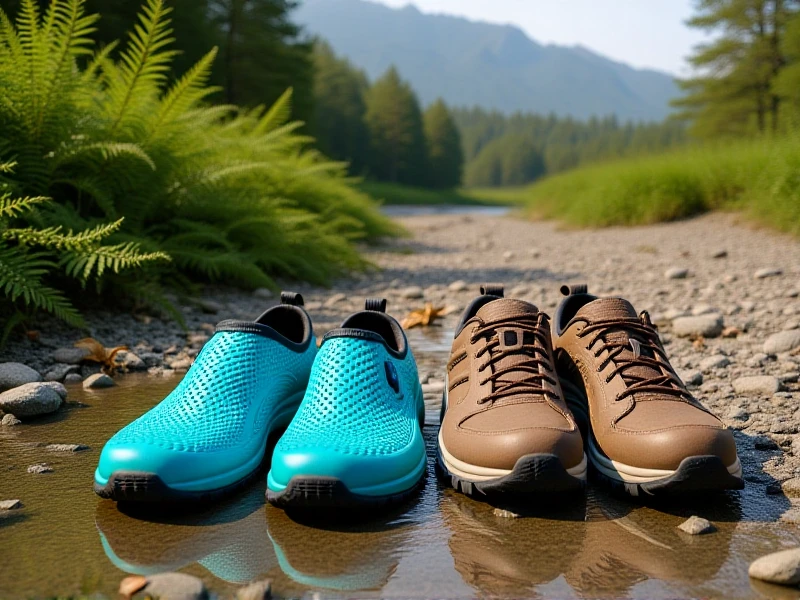
Here is an SEO-optimized article in English focused on the keyword "Hiking Shoes":
Finding the right pair of hiking shoes is paramount for comfort, safety, and enjoyment on the trail. The wrong boots can turn a scenic adventure into a blister-ridden nightmare. Therefore, selecting the best hiking shoes for your needs is a crucial investment in your outdoor experience.
Unlike regular sneakers or boots, hiking shoes are specifically engineered to handle the demands of uneven terrain, varying weather, and sustained activity. They offer superior traction, stability, and protection for your feet and ankles. Here are key factors to consider when choosing your perfect pair:
- Fit & Comfort: This is non-negotiable. Your hiking boots should fit snugly without pinching toes or causing pressure points. Feet often swell during long hikes, so trying shoes on late in the day is recommended, wearing the same wool or synthetic hiking socks you intend to use. Allow about a thumb's width of space in front of your big toe. Break them in thoroughly on short walks before tackling a major trek.
- Support & Stability: Your chosen hiking shoes must provide adequate ankle support, especially for carrying heavier loads or navigating rocky, uneven paths. Higher-cut boots offer more support, while lower-cut hiking shoes prioritize lighter weight and agility for well-maintained trails. Consider where you hike most often. The best hiking shoes feature stiff midsoles to prevent foot fatigue on rocky terrain and stable outsoles to reduce roll-over risk.
- Traction: The grip provided by the rubber outsole is vital for safety. Look for quality hiking shoes with deep, multi-directional lugs that aggressively grip dirt, mud, gravel, and rock. Stickier rubber compounds offer better traction on wet rocks but may wear faster.
- Waterproofing vs. Breathability: This depends heavily on your hiking environment. Waterproof membranes (like Gore-Tex) are essential for wet, muddy conditions or cold weather, keeping feet dry from stream crossings and rain. However, they can trap moisture from sweat in warmer weather. Non-waterproof hiking shoes offer much greater breathability for dry, hot climates, drying out quickly if submerged. Choose based on your typical trail conditions.
- Durability & Weight: Leather hiking boots tend to be more durable and offer better long-term protection and support, but are heavier. Synthetic mesh and fabric hiking shoes are significantly lighter and dry faster, ideal for day hikes or fast packing, but may offer less durability over rough terrain over years. Consider the trade-offs between protection, longevity, and speed.
Understanding these core elements – fit, support, grip, weather protection, and weight – empowers you to select hiking shoes that match your adventures. Investing time in finding the best hiking shoes tailored to your feet and hiking habits ensures miles of comfort, preventing common foot problems and letting you focus on the stunning views, not your aching feet.
Don't compromise on footwear. Choosing the right hiking shoes is the foundation for countless safe and enjoyable journeys into the wild. Find your perfect fit and step confidently onto the trail with our expertly curated selection of high-performance hiking boots and shoes. Explore our gear today.