Your Ultimate Guide to Choosing the Best Water Shoes
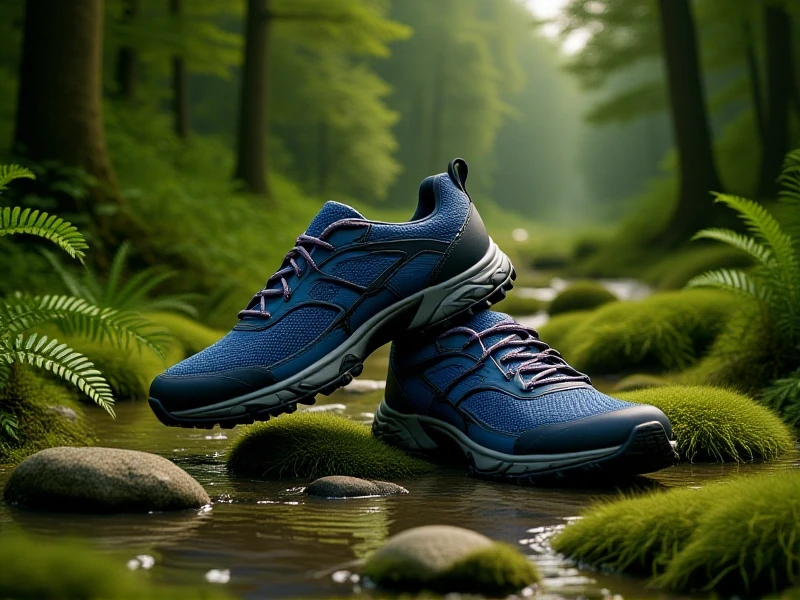
Water shoes, also known as aqua socks, beach shoes, or swim footwear, have become an absolute essential for anyone planning to get wet and explore. Forget the frustration of sharp rocks underfoot or slippery surfaces. Whether you're kayaking, paddleboarding, snorkeling, hiking riverbanks, or just navigating crowded pool tiles, a good pair of water shoes provides crucial protection, comfort, and grip. Their versatility makes them a top pick for vacation adventures and active lifestyles near water.
The primary function of water shoes is safeguarding your feet. Rocky ocean beaches, riverbeds strewn with hidden obstacles, and slippery boat decks pose risks of cuts, scrapes, stings, or punctures. Specially designed soles, often rugged rubber with deep treads, offer excellent grip on wet, uneven surfaces. Mesh uppers drain water rapidly, preventing heavy, waterlogged feet. Crucially, many models feature closed toes, providing maximum defense against unseen hazards below the surface.
Comfort is another significant advantage. Unlike bulky water sandals, modern water shoes fit snugly like a shoe, meaning less tripping over straps or dealing with shifted buckles. They prevent sand and small pebbles from getting trapped against your skin, avoiding painful blisters. Advanced quick-drying materials ensure your feet don't feel clammy or weighed down. Arch support is increasingly common in quality models, crucial for longer hikes involving water crossings. For cold-water activities like early-season kayaking, neoprene shoes add crucial warmth. Some even incorporate built-in rash guards or secure heel loops to protect against chafing from fins – a major plus for snorkelers and divers.
Choosing the right pair depends on your activities:
- Water Traction: Look for aggressive tread patterns specifically designed for wet rocks and algae-covered surfaces. Avoid overly flat soles.
- Fit & Security: Snugness without pinching is vital. Avoid shoes overly reliant on straps that can loosen. Ensure your heel feels locked in place to prevent slippage.
- Materials: Highly breathable mesh combined with quick-dry linings is standard. Neoprene offers warmth and flexibility but drains slower.
- Protection Level: Need closed toes? Assess the terrain you'll face.
- Purpose: Prioritize lightweight minimalism for paddle sports, durable ruggedness for river hiking, or snug neoprene insulation for colder waters.
Don't underestimate their importance on hot surfaces either, shielding feet from scorching sand or poolside concrete. When you invest in quality water shoes, you're investing in safer, more comfortable, and ultimately more enjoyable water adventures. They keep your feet protected, dry quickly, and let you move confidently wherever your aquatic journey takes you. Gear up smart – choose the right water shoes for your next splash!
(Content Length: Approx. 415 words)