How to Pick the Perfect Hiking Shoes: Your Trail-Ready Feet
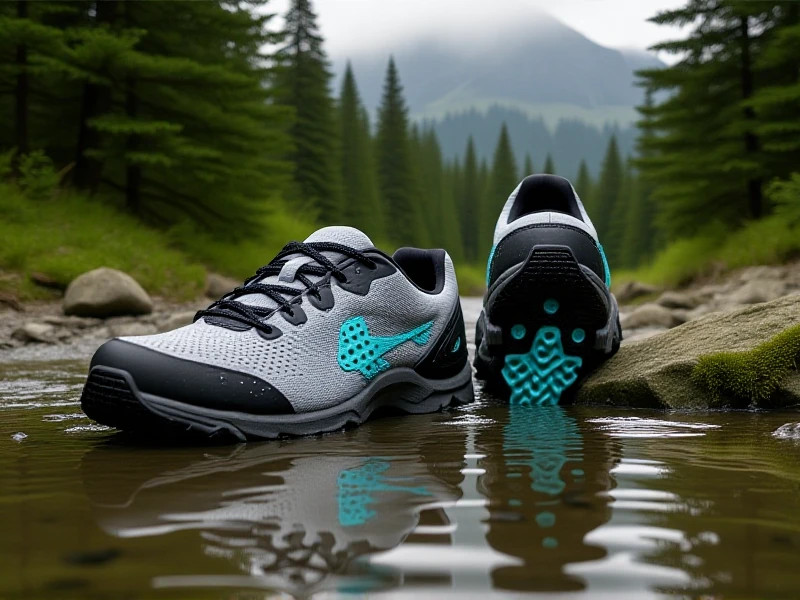
Here is an SEO-optimized article about hiking shoes:
Your hiking adventure truly begins from the ground up. Choosing the right hiking shoes or boots is crucial for comfort, performance, and injury prevention on the trail. Forget simply grabbing any old trainers; dedicated hiking footwear is engineered to handle uneven terrain, provide essential support, and protect your feet from the elements. Understanding the key features empowers you to find the perfect pair for your journeys.
Terrain dictates type. Lightweight hiking shoes offer flexibility and breathability, ideal for well-maintained trails and day hikes with light packs. For rougher, rocky paths, heavier loads, or ankle support needs, consider mid-cut or full hiking boots. These offer superior stability on uneven ground. Backpacking boots provide maximum support and durability for carrying heavy packs over multi-day trips and challenging landscapes.
Support and traction are paramount. Look for a sturdy, supportive shank (internal structure) that stabilizes your foot on uneven rocks and roots. Outsoles made from durable rubber compounds feature aggressive lugs, those deep tread patterns, designed to grip mud, loose dirt, wet rocks, and slippery surfaces effectively. A secure fit around the heel and midfoot prevents slippage and blisters.
Waterproofing is essential for damp environments and creek crossings. Technologies like GORE-TEX® or proprietary membranes create a waterproof, breathable barrier around your foot. However, if you primarily hike in hot, dry climates and don't expect water, highly breathable, non-waterproof hiking shoes will keep your feet cooler and drier from sweat. Look for mesh panels or venting ports for maximum airflow in these models.
Fit is non-negotiable. Hiking shoes should fit snugly but not tightly, with ample room (about a half-inch) for your toes to wiggle without hitting the front, especially when descending steep inclines. Always try them on with your intended hiking socks, preferably in the afternoon when feet are naturally slightly swollen. Walk around the store, test them on an incline if possible, and rigorously check for any pressure points or hotspots. Remember, your heel should lift minimally within the shoe.
Durability comes from quality materials like full-grain leather, nubuck, or robust synthetic uppers, protecting against abrasion. Reinforced rubber toe caps shield your feet from stubbed toes and rock impacts. The midsole cushioning absorbs shock over miles and uneven ground.
Investing time in finding the best hiking shoes for your needs pays off exponentially on the trail. By prioritizing terrain, support, waterproofing, and above all, fit, you ensure your feet stay comfortable, protected, and ready to tackle whatever the path throws your way. Your feet, your knees, and your enjoyment levels will thank you mile after mile. Choosing the right hiking boots or shoes transforms your outdoor experience from potentially painful to pure, unhindered adventure.